Article by:
Military Loop Command

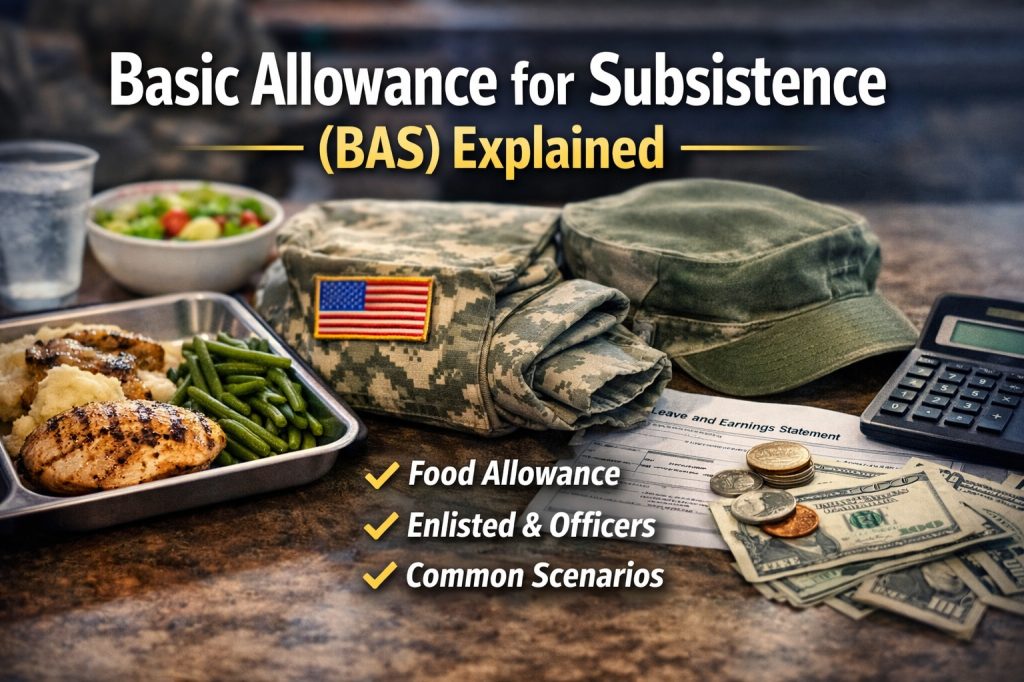
BAS helps offset the cost of meals. It’s based on your status (enlisted/officer and special situations) — not your actual grocery bill.
BAS (Basic Allowance for Subsistence) is the military’s food allowance. It’s one part of your total compensation that often causes confusion because it can show up, disappear, or change due to duty status, training, or meal-card/DFAC deductions.
Basic Allowance for Subsistence (BAS) is intended to help offset the cost of meals for the service member. It is separate from base pay and separate from housing allowances like BAH.
BAS is generally a fixed monthly allowance and does not increase because you live in an expensive area or eat out more. Think of it as a standard food allowance tied to your status — not a reimbursement.
Most active duty service members receive BAS, but it can vary based on your situation. Common examples:
Bottom line: BAS eligibility is tied to official status and how the military is providing meals — not simply whether you “need groceries.”
BAS is a standardized allowance. Rates are set at the federal level and can be updated periodically. The amount is not based on your pay grade the way base pay is.
There can be differences between enlisted BAS and officer BAS, and some special situations can affect the amount. If you’re unsure, the fastest way to verify is your LES line items.
A major source of confusion is seeing BAS on one line — and then seeing a meal deduction elsewhere. This often happens when meals are being provided through the dining facility (DFAC) or meal-card type arrangement.
If something looks wrong, verify what your unit/admin submitted and confirm your current authorization status before assuming finance made a mistake.
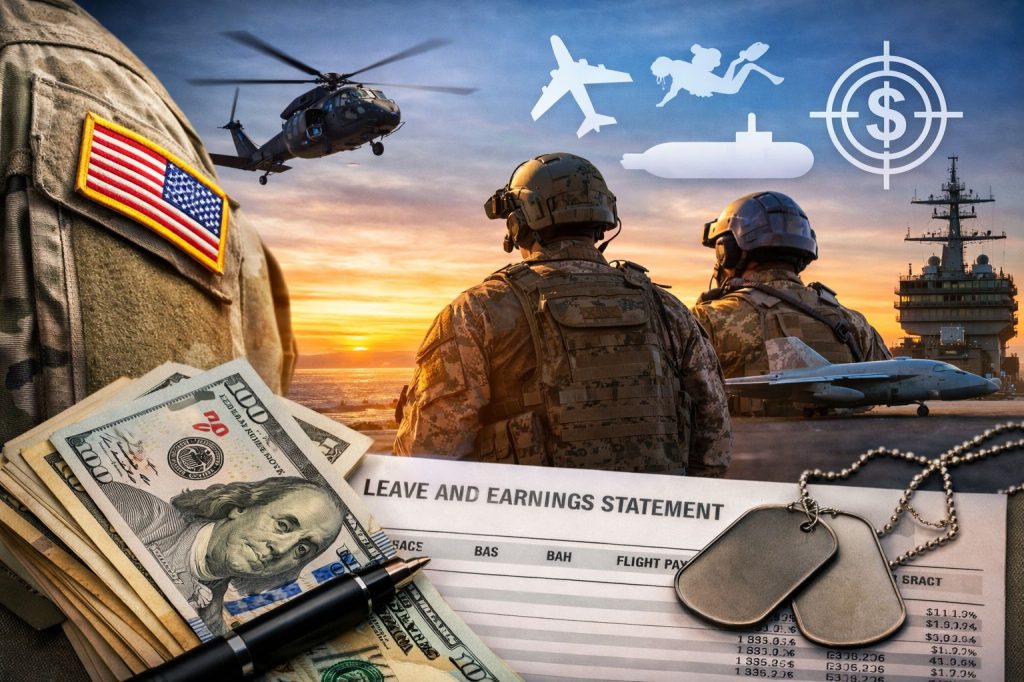
On your Leave and Earnings Statement (LES), BAS usually appears under allowances/entitlements. If you’re under a meal program, you may also see a separate deduction that reduces your net pay.
The best “quick check” is to compare: BAS line item vs meal deduction line item. If BAS is missing entirely and you believe you should be receiving it, check your duty status and authorization first — then elevate.